
Our Fellows
Our T32 program provides a rigorous, interdisciplinary training environment designed to develop independent investigators capable of advancing aging research across the full translational spectrum—from mechanistic discovery to clinical implementation.
Our fellows gain the following skills:
- Deep understanding of aging biology and geriatric syndromes
- Training in translational research methodologies
- Experience across laboratory, clinical, and computational settings
- Mentorship from leaders across disciplines
- Preparation for independent funding and academic careers
Our Current Fellows
Inga M. Antonsdottir, DNP, PhD
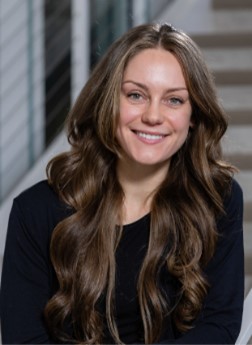
Research approach:
- Dyadic clinical trial design (patients and caregivers)
- Behavioral and pharmacologic sleep interventions
- Translational frameworks for implementation in clinical settings
Translational impact:
Her goal is to develop scalable, evidence-based clinical strategies that improve sleep health and accelerate translation into routine dementia care.
Michael R. Bene, PhD
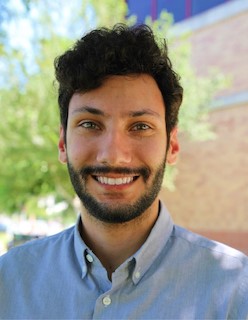
Research approach:
- Multi-omics (metabolomics, transcriptomics, proteomics)
- Mechanistic studies of muscle aging pathways
- Translational studies in both animal models and human cohorts
Translational impact:
His work aims to identify therapeutic targets that preserve muscle function and improve mobility in older adults.
Kwadwo Bonsu, PhD
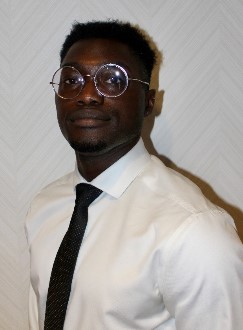
Research approach:
- Long-read sequencing and bioinformatics
- Large-scale cohort analysis (e.g., UK Biobank, All of Us)
- Modeling epigenetic regulation and mitochondrial genetics
Translational impact:
His work seeks to identify clinically relevant genetic and epigenetic markers that inform risk prediction and therapeutic strategies in aging and cancer.
Kaleb Burch, PhD
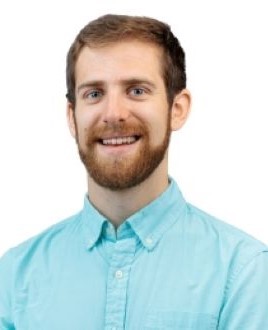
Research approach:
- Motion analysis and biomechanical modeling
- Wearable sensors and assistive technologies
- Translational rehabilitation strategies
Translational impact:
He aims to improve diagnosis, monitoring, and treatment of mobility impairments, enabling more precise and scalable rehabilitation interventions.
Christine Delligatti, PhD
.jpg)
Research approach:
- Biochemical and molecular assays of protein modification
- Functional and structural muscle studies
- Investigation of serpin-mediated pathways
Translational impact:
Her work is directed toward identifying therapeutic targets that preserve muscle function and improve physical resilience in aging.
Anicca D. Harriot, PhD
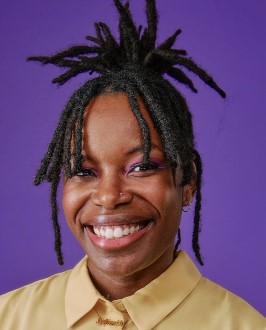
Research approach:
- Skeletal muscle microphysiological systems
- Mechanobiology and tissue engineering
- Translational modeling of frailty and musculoskeletal decline
Translational impact:
Her work bridges space biology and terrestrial aging to develop interventions for frailty and musculoskeletal dysfunction in older adults.
Former Fellows
Our alumni represent a growing network of clinician-scientists and researchers advancing aging science across academia, industry, and clinical practice. Graduates of our program have:
- secured NIH K and R-level funding,
- transitioned to independent faculty positions,
- led interdisciplinary aging research programs, and
- contributed to clinical and translational innovation in aging.