PMOS Diet
Featured Expert
-
Melinda E. Cater, MS, RD, LDN

Effective May 2026, polyendocrine metabolic ovarian syndrome (PMOS) is the new name for the condition formerly known as polycystic ovary syndrome (PCOS).
Updated May 28, 2026
PMOS is a long-term, complex hormonal disorder that affects somewhere between 10-13% of women. The hormonal disruption can lead to many symptoms including irregular periods, extra body hair, weight gain (especially around the belly), acne, thinning hair and infertility. Many women don’t realize they have PMOS until they have trouble getting pregnant or experience unexplained weight gain
Melinda Cater, a clinical dietitian at Johns Hopkins’ Sibley Memorial Hospital, says that healthy eating habits can go a long way towards helping people diagnosed with the disorder improve their health and minimize symptoms.
Key Points
- PMOS is a hormonal condition linked with inflammation and insulin resistance, and can lead to higher risks for obesity, diabetes, heart disease, high blood pressure, sleep apnea and endometrial cancer.
- Somewhere between 35-80% of people with PMOS experience insulin resistance, making weight management important.
- Dietary patterns including Mediterranean‑style and DASH-style eating plans may help reduce inflammation, support stable blood sugar and help with weight management.
- Limiting foods associated with inflammation, and choosing whole and minimally processed options, along with exercise, stress management, and adequate sleep, may help reduce symptoms and improve long-term health.
PMOS and Insulin Resistance
People with polyendocrine metabolic ovarian syndrome are more likely to have obesity, systemic inflammation, metabolic syndrome, and insulin resistance, or a combination of these conditions. This can raise the risk of diabetes, cardiovascular disease and other illnesses.
Cater says that insulin resistance affects 35% to 80% of people with PMOS. She explains, “Insulin is like a key that opens cells and lets glucose in. Glucose is the fuel our bodies use for energy. In people with insulin resistance, the insulin becomes less effective at conveying glucose into the cells properly. This results in a buildup of glucose in the bloodstream and fat cells, which raises the risk of diabetes and obesity.
“Not everyone with PMOS has these complications, but for those who do, reaching and maintaining a healthy weight is a primary concern,” Cater says, “and that starts with diet and exercise.”
What is the best diet for PMOS?
Cater says that while there is no evidence to support any one specific type of dietary pattern over another for PMOS management, dietitians frequently recommend the Mediterranean diet and DASH diet. These patterns of eating offer a wide variety of foods from all categories, so they may be easier for people to adopt as a longer-term lifestyle approach rather than a temporary fix. Recognizing patients as individuals with unique cultural and dietary preferences is important to helping them craft a healthy dietary pattern they can stick with.
Diet for PMOS: What to Avoid
“Research indicates that people with PMOS show evidence of all-over inflammation, which is associated with heart disease and other illnesses. The Mediterranean and DASH dietary patterns limit saturated fats, processed meats and refined sugar, making them a powerful tool to address inflammation,” Cater says.
Foods to Avoid with PMOS
Cater emphasizes that individual foods are seldom the culprits behind conditions such as PMOS, and likewise, no single food is likely to be a “cure all” to restore health.
However, she says eating too many foods associated with inflammation can aggravate PMOS symptoms and raise the risk for other diseases that people with PMOS are more prone to developing such as heart disease and diabetes.
People with PMOS should aim to limit or avoid foods that tend to have negative impacts on blood glucose, weight and inflammation:
- Fried foods (French fries, potato chips, corn chips and fried chicken or fish)
- Saturated fats such as butter or margarine
- Red meat, including hamburgers, roast beef and steaks, processed luncheon meat and hot dogs
- Processed snacks: cakes, cookies, candy and pies
- Prepared cereals high in sugar, including instant and flavored oatmeal, granola
- Sugary beverages such as sodas, sweet teas, fruit juice and sugar sweetened sports drinks
- Alcoholic beverages
- Foods made with refined flour such as white bread, rolls, pizza crust and pasta
- White rice
Best Foods for PMOS
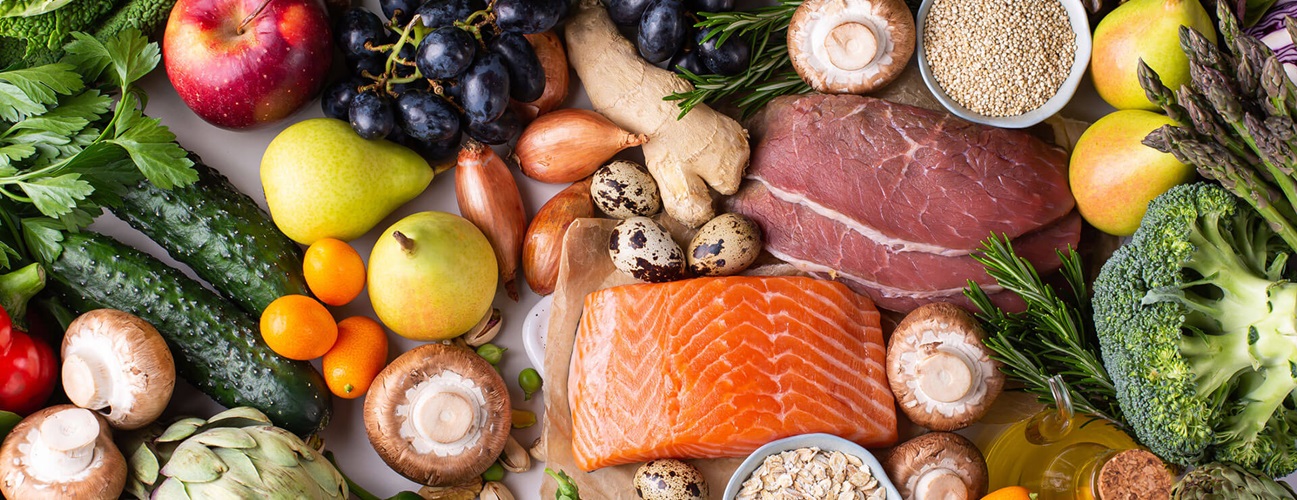
“Substituting whole and minimally processed foods and beverages in place of less healthful options can set the stage for better long-term health,” Cater says. Choices such as these from healthy dietary patterns may help people achieve a healthy weight and manage PMOS symptoms with plenty of nutrition and great taste:
- Healthy fats including baked or broiled salmon and other fatty fish, olive oil, nuts, seeds, avocado
- Beans and other protein-rich legumes in place of meat
- Non-starchy vegetables such as leafy greens (spinach, kale, escarole, endive, lettuce, etc.), tomatoes, mushrooms, peppers, broccoli, cauliflower, snow peas, celery and fennel
- Whole grains such as brown rice, barley, sorghum, quinoa, farro, steel or rolled oats, and others. Breads and pastas made with whole grains can help people with PMOS avoid spikes in blood sugar.
- Whole fruit for dessert, especially berries. The fiber content in whole fruit helps you feel full, helps your digestion, and slows down the absorption of its sugars into the bloodstream.
- Hydration is important, so drink plenty of water and low- or no- sugar beverages such as water, and unsweetened coffee or tea. Instead of soda, try low-calorie flavored seltzers, or unflavored seltzer with a splash of fruit juice.
Fad Diets for PMOS? Not So Fast
Losing excess weight and maintaining a healthy weight is important to controlling insulin resistance, but following diet trends may not be the best approach. Any plan based on eliminating whole food groups such as carbohydrates, is not practical for long-term weight control and can lead to nutrient deficiencies.
“Eliminating carbohydrates is not something I recommend,” Cater says. “However, choosing carb containing foods that include fiber, such as whole grains, beans, and non-starchy vegetables can be helpful because they cause less of a surge in blood sugar compared to more refined options. The goal is to keep blood sugar stable and avoid big dips and spikes. Smaller, more frequent meals may help, and including a protein source with meals and snacks can also be beneficial.”
Because maintaining consistent blood sugar is important, Cater says intermittent fasting may not be the best option for people with polyendocrine metabolic ovarian syndrome. She points out that some patients may go overboard on calories during the times when eating is permitted. Intermittent fasting is a newer approach to weight loss and works for some people, but in others it could raise cortisol levels which may exacerbate symptoms, and it could lead to dips in blood sugar that can feel destabilizing. Research indicates that consuming more of your calories earlier in the day rather than later may help reduce insulin resistance. Cater says more research is needed to determine possible benefits for people with PMOS.
PMOS: Take Charge of Your Diet
Cater says together with diet, exercise and other heathy lifestyle habits such as getting plenty of sleep and managing stress, can help control PMOS symptoms, lower your risk of developing chronic disease and improve your life.
“If you are diagnosed with PMOS, it doesn’t mean that you are destined to have poor health,” Cater stresses. “There is a lot you can do to take charge, minimize symptoms and improve your help.”
GLP‑1 Medications and PMOS
Newer medications such as GLP‑1 receptor agonists, are helping many people with diabetes lower their blood sugar and lose weight. Although they are not approved for treating PMOS, some individuals are using them off‑label for that purpose. Because these medications often reduce appetite, it becomes especially important to focus on nutrient‑dense foods. Prioritizing protein can help preserve muscle mass during weight loss. Getting enough fiber and staying well‑hydrated may also ease the constipation that many people experience while taking these medications.
Since these drugs can slow the rate at which food leaves the stomach, eating smaller, more frequent meals and limiting fatty or greasy foods may improve comfort.
Medically reviewed by Melinda Cater, M.S., R.D., L.D.N., C.S.G.