Heart Attacks in Women
Reviewed By:

Updated June 2, 2026
Heart attack remains the leading cause of death for women, yet many women underestimate their risk. They also don’t know the signs of heart attack in women, which can be different than in men.
Virginia Colliver, M.D., a cardiologist specializing in heart attacks in women, discusses the risk factors, symptoms and prevention tips specifically for women.
Key Points
- Many women underestimate their heart attack risk, often viewing heart attacks as a men’s issue.
- Conditions like high blood pressure, high cholesterol, smoking, diabetes, obesity and stress are becoming more common at younger ages, increasing early heart attack risk.
- Women may not experience the classic crushing chest pain but instead have symptoms like fatigue, nausea, shortness of breath or back and jaw pain.
- Lifestyle habits can significantly help prevent heart attacks in women.
What are the risk factors for heart attack in women?
There are several factors that increase your chance of developing heart disease, which leads to heart attack. Almost 50% of all Americans have at least one of three major risk factors for the condition:
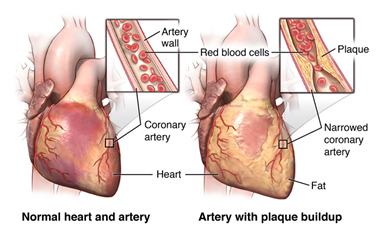
- High blood pressure: High blood pressure raises anyone’s heart attack risk because it damages artery walls and accelerates plaque buildup, making blockages and clots more likely to trigger a heart attack.
- Women can develop high blood pressure as a side effect of birth control pills or during pregnancy.
- High cholesterol: High cholesterol raises heart attack risk because excess LDL cholesterol builds up as plaque in the arteries, narrowing blood flow and increasing the chance of a clot that can trigger a heart attack. Newer guidance highlights lipoprotein(a) [Lp(a)] and apolipoprotein B (apoB) as important risk‑enhancing markers, especially in people with family history or early disease.
- Women may benefit from once‑in‑a‑lifetime Lp(a) testing or more detailed lipid assessment.
- Smoking: Smoking is a major heart attack risk for everyone because it damages blood vessels and increases clotting.
- In women, nicotine and tobacco toxins interact more strongly with female hormones like estrogen and make blood vessels more vulnerable to damage.
Additional risk factors include:
- Hypertensive disorders of pregnancy (preeclampsia), preterm delivery and pregnancy loss
- Premature menopause (before 40) and early menopause (40–45)
- Diabetes, especially gestational diabetes
- Obesity
- Family history of heart disease
- Age (risk increases as you get older)
- Unhealthy diet
- Physical inactivity
- Alcohol use (more than one drink per day for women)
- Relatively high testosterone levels prior to menopause
- Increasing hypertension during menopause
- Autoimmune diseases such as rheumatoid arthritis
- Stress and depression
Access to care is especially important for women of all races and socio-economic backgrounds because delayed diagnosis, missed risk factors, and gaps in preventive services all increase the chances of having preventable heart disease.
Do hormones increase the risk of heart attack in women?
Many women use prescription hormone drugs for birth control or for reducing symptoms of menopause (called hormone replacement therapy).
"Birth control pills can increase your risk of having a blood clot, either in the heart or in the legs, and they can also raise your blood pressure. So, if you have a history of high blood pressure or clotting problems, other types of contraception might be a better fit for you," says Colliver. "But for most young women, it's safe to take birth control medication."
"If your overall risk of heart attack is extremely low and you need relief from hot flashes and other postmenopausal symptoms, then hormone replacement therapy may be fine for you," says Colliver. "But after the age of 65, we really try to avoid using them at all because they do increase the risk of heart disease and potentially breast cancer."
Heart Attack Symptoms in Women
It's important for women of every age to recognize heart attack signs and seek immediate medical attention.
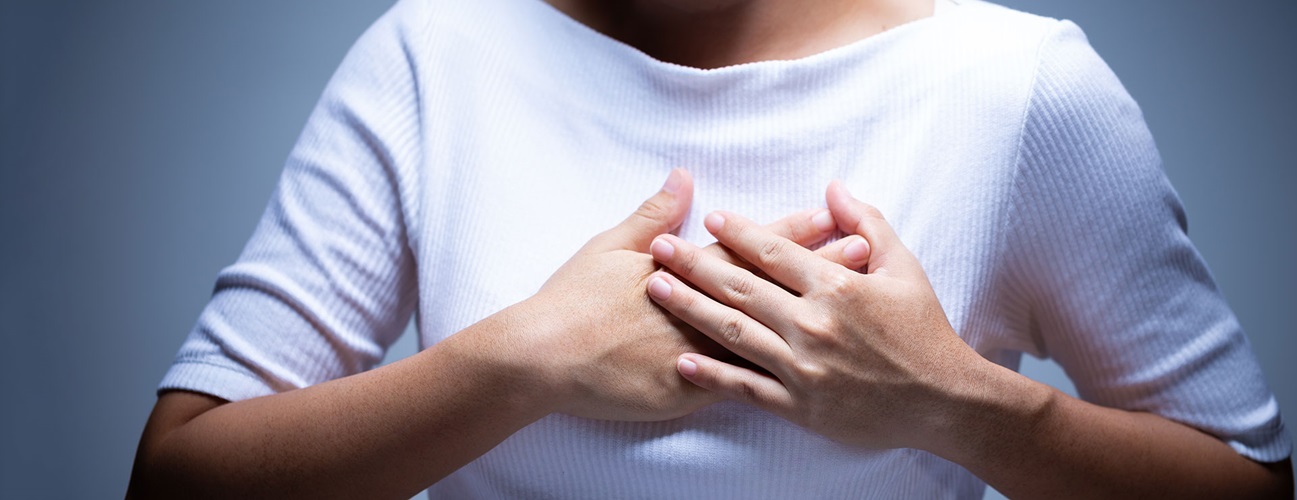
For the vast majority of people — men and women — chest pain or discomfort is the primary symptom of a heart attack. However, women are more likely than men are to have less recognizable heart attack symptoms. Women can develop symptoms that are subtler and harder to detect as a heart attack, such as:
- Pain or discomfort in different parts of the upper body (back, neck, jaw, arms or stomach)
- Shortness of breath
- Lightheadedness
- Cold sweats
- Fatigue
- Nausea and vomiting
If you are experiencing a combination of these symptoms, seek medical care immediately by calling 911.
Heart Attacks and Younger Women
Heart attacks in younger adults, especially women, have risen sharply, with rates increasing more than 66% among people ages 18–44 since 2019.
Younger women are experiencing more heart attacks because major risk factors like high blood pressure, diabetes, obesity and chronic stress are showing up earlier in life. Pregnancy‑related complications and hormonal conditions also raise long‑term heart risk.
Early recognition and treatment are critical, yet many younger women don’t realize their symptoms could signal a heart attack. Raising awareness about these risks can help women advocate for themselves and get lifesaving care sooner.
What You Can Do Now to Prevent an Early Heart Attack
Although some risk factors are beyond your control like genetics, there are many things you can do to protect your heart health. It's estimated that 80% of heart disease, including heart attacks and strokes, can be prevented through lifestyle changes, such as the following:
Take medications like statins or other lipid‑lowering therapy, especially if you have multiple risk factors, pregnancy complications or strong family history.
- Maintain a healthy weight: Being overweight or obese increases your heart disease risk. Get tips on how to watch your weight.
- Eat a heart-healthy diet: Avoid overeating processed foods and excess sugar. Eat a diet rich in whole, nutritious foods (a good example is the Mediterranean diet).
- Exercise regularly: A consistent workout routine can boost your heart health. Aim for at least 150 minutes per week.
- Reduce alcohol: Women should limit alcohol consumption to no more than one drink a day.
- Move more: In addition to exercise, it's good to move throughout the day. Avoid long periods of sitting.
- Manage stress: There's increasing evidence that indicates you shouldn't underestimate stress and its impact on heart health. Learn 5 tips for women to stay heart healthy and combat stress.
- Get an annual checkup: Heart disease can be difficult to predict, especially if you don't have symptoms. Getting an annual checkup is the best way to stay on top of risk factors and get help for conditions related to heart disease, such as diabetes and high blood pressure. Consult with your physician about cardiovascular screening based on your family history and risk factors. Women with pregnancy complications should have long‑term cardiovascular follow‑up.
The bottom line: It's never too early to adopt heart-healthy behaviors. Because heart disease and heart attack symptoms in women sometimes don’t include the “classic” angina or chest pain, it’s important to pay attention to your body and ask questions.
Guidance on what to ask your doctor includes:
- Does my pregnancy history change my heart risk?
- Should I have my Lp(a) checked at least once?
- Is a statin right for me, based on my overall risk?
Medically reviewed by Virginia Colliver, M.D.
Your Health Matters to Us
Each month, we’ll send you smart, simple tips to help keep you healthy.